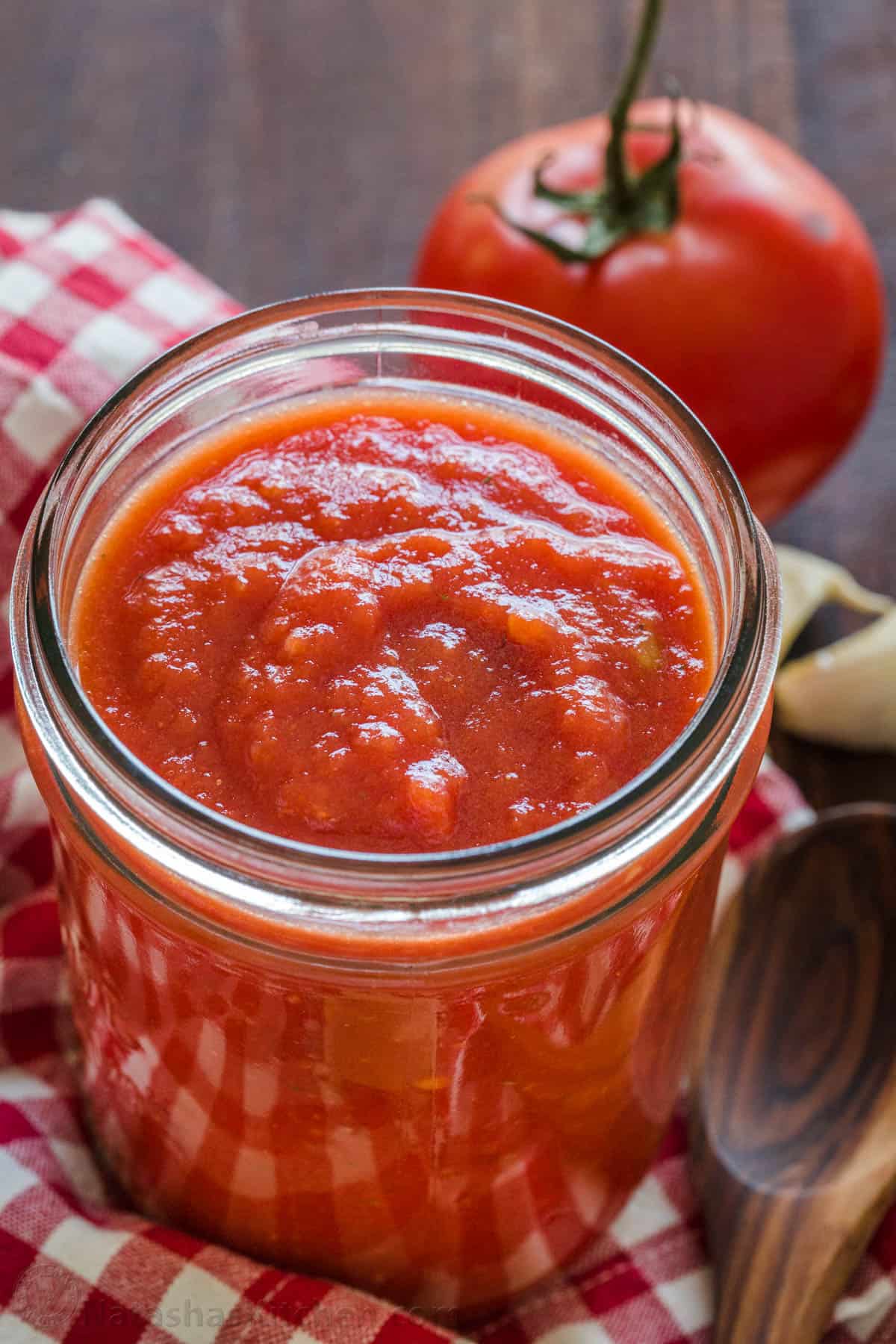
There's nothing quite like the aroma of a freshly baked pizza, especially when it's topped with a rich, flavorful sauce made right in your own kitchen. While store-bought options offer convenience, learning how to make pizza sauce from scratch is a game-changer that elevates your homemade pizza to an entirely new level. This guide will walk you through simple steps to create a superior-tasting sauce that's both easy and incredibly satisfying.
Imagine a vibrant sauce, perfectly balanced in flavor, with the ideal consistency to cling to your crust without making it soggy. That's the magic of homemade. Forget about bland, overly sweet, or additive-filled commercial jars. With a few quality ingredients and less than 30 minutes of your time, you'll uncover the secret to a truly authentic Italian-inspired pizza experience. Not only will you save money, but you'll gain complete control over the quality and taste, ensuring every slice is a masterpiece.
Why Go Homemade? The Unbeatable Advantages of DIY Pizza Sauce
The decision to make your own pizza sauce is a culinary revelation with numerous benefits:
- Unrivaled Flavor and Freshness: Store-bought sauces often contain preservatives, added sugars, and artificial flavors that dull the natural taste of tomatoes. Homemade sauce bursts with fresh, authentic flavors that simply can't be replicated.
- Ingredient Control: You dictate what goes into your sauce. This means choosing high-quality, natural ingredients, avoiding unwanted additives, excessive sodium, or sweeteners. It's a healthier choice for you and your family.
- Cost-Effective: A single can of quality crushed tomatoes and a few pantry staples can yield a generous batch of sauce, often four times the amount of a standard commercial jar, for a fraction of the price. This means more pizza for less money!
- Perfect Consistency: Ever had a runny pizza sauce that turns your crust into a soggy mess? Or one so thick it's difficult to spread? When you make your own, you can easily adjust the thickness to your preference, ensuring a perfect canvas for your toppings.
- Customization Potential: This recipe provides an excellent foundation, but it's also incredibly flexible. Want more garlic? A hint of spice? A touch of sweetness? You're the chef, and you have the power to tailor the sauce to your exact liking.
Essential Ingredients: Building the Foundation of Flavor
The beauty of a classic pizza sauce lies in its simplicity. High-quality ingredients, when combined correctly, create a symphony of flavor. Here’s what you’ll need to master how to make pizza sauce:
The Tomato Core: Crushed Tomatoes and Tomato Paste
- 28 oz can Crushed Tomatoes: This is the star of the show. Opt for good quality crushed tomatoes, ideally those that are simply tomatoes and nothing else. Avoid "Italian-style" or heavily seasoned varieties, as they often contain herbs and spices intended for pasta sauce, which can overpower a traditional pizza. If crushed tomatoes are hard to find, a fantastic alternative is a can of diced or whole peeled tomatoes. Simply pulse them 2-3 times in a blender or food processor until they reach a chunky, crushed consistency. The goal is a rustic texture that still has some body.
- 6 oz can Tomato Paste: Tomato paste is a concentrated flavor powerhouse. It adds depth, richness, and a subtle tang to the sauce, contributing to that characteristic umami taste. If you find the tang too pronounced, a small pinch of sugar can balance it out. We’ll discuss how to adjust this further.
Aromatic Essentials: Garlic and Herbs
- 2 cloves Fresh Garlic: Fresh garlic is indispensable for its pungent, aromatic foundation. Minced finely or pressed, it infuses the olive oil with a delightful warmth. While garlic powder can be a substitute in a pinch, it won't offer the same bright, nuanced flavor profile. Always aim for fresh if possible.
- ½ teaspoon Dried Oregano: Dried oregano is a traditional herb for pizza sauce. Its earthy, slightly peppery notes deepen as it cooks, complementing the tomatoes beautifully. If you grow your own, its potency will be exceptional. For cooked sauces, dried herbs often release their flavors more consistently than fresh ones.
Supporting Cast: Oil and Water
- 2 tablespoons Extra Virgin Olive Oil: A good quality extra virgin olive oil provides the base for sautéing the garlic and adds a silky richness to the sauce. Its fruity, peppery notes are integral to Italian cooking.
- ¼ cup Water: This might seem counterintuitive for a sauce you want to be thick, but a small amount of water helps the ingredients meld together during simmering and prevents the sauce from becoming too dense too quickly. As it cooks, the water will evaporate, concentrating the flavors and allowing you to achieve the perfect consistency. If you prefer an extra thick sauce, you can slightly reduce or even omit the water, but ensure you stir frequently to prevent sticking.
(Optional but recommended for seasoning: a pinch of salt and a grind of fresh black pepper to taste.)
Step-by-Step Guide: Crafting Your Superior Pizza Sauce
Now that you have your ingredients ready, let’s dive into the simple steps for how to make pizza sauce that will impress everyone:
- Warm the Oil: In a medium-sized saucepan, heat the 2 tablespoons of extra virgin olive oil over low to medium heat. You want it warm enough to gently sizzle, not smoke.
- Sauté the Garlic: Once the oil is heated, add the finely minced garlic. Sauté for about 30-60 seconds, stirring constantly, until it becomes fragrant. Be careful not to let it brown, as burnt garlic can taste bitter.
- Add Tomato Paste: Stir in the 6 oz can of tomato paste. Cook for 1-2 minutes, stirring frequently. This step is crucial as it helps to caramelize the paste slightly, deepening its flavor and reducing its raw, acidic edge.
- Incorporate Tomatoes and Water: Pour in the 28 oz can of crushed tomatoes (or your pulsed diced/whole tomatoes) and the ¼ cup of water. Stir everything together until well combined.
- Season with Oregano: Add the �� teaspoon of dried oregano, along with a pinch of salt and a grind of black pepper to taste. Start conservatively with salt; you can always add more later.
- Simmer and Develop Flavor: Bring the sauce to a gentle simmer. Reduce the heat to low, cover the saucepan partially, and let it cook for at least 15-20 minutes. The longer it simmers (up to 30 minutes), the more the flavors will meld and deepen. Stir occasionally to prevent sticking.
- Check Consistency and Taste: After simmering, remove from heat. The sauce should be slightly thick but still spreadable, not overly runny. Taste and adjust seasonings as needed. If it's too tangy for your preference, a tiny pinch of sugar (¼ teaspoon) can help balance the acidity. If it’s too thick, add a tablespoon or two of water and stir. If it’s too thin, let it simmer uncovered for a few more minutes until it reduces to your desired consistency.
Your homemade pizza sauce is now ready to use!
Tips for Pizza Sauce Perfection & Customization
Mastering how to make pizza sauce goes beyond just following a recipe; it's about understanding how to fine-tune it to your palate.
- Texture Control: If you prefer a smoother sauce, you can use an immersion blender or transfer the cooled sauce to a regular blender and pulse it a few times. For a thicker sauce, simply simmer it for a longer duration uncovered, allowing more water to evaporate. For those truly pressed for time, a vibrant no-cook pizza sauce can be a game-changer. Discover how to create a Minute No-Cook Pizza Sauce: Easy & Bursting with Flavor that still delivers on taste.
- Flavor Adjustments:
- Sweetness: A small pinch of sugar (⅛ to ¼ teaspoon) can counteract the acidity of the tomatoes without making the sauce overtly sweet.
- Heat: For a touch of spice, add a pinch of red pepper flakes along with the garlic.
- Umami Boost: A dash of Worcestershire sauce or a tiny splash of balsamic vinegar can deepen the savory notes.
- Ingredient Quality: Always prioritize the best quality crushed tomatoes you can find. San Marzano tomatoes, while pricier, offer an incredibly sweet and less acidic base.
- Storage: This recipe yields approximately 4 cups (32 oz) of sauce, providing plenty for current use and future pizzas. Store leftover sauce in an airtight container in the refrigerator for up to 5-7 days. For longer storage, freeze it in freezer-safe containers or zip-top bags for up to 3 months. Thaw in the refrigerator overnight before use.
Beyond the Basic: Elevating Your Pizza Sauce
While this recipe provides a fantastic traditional base, don't hesitate to experiment once you've mastered it. Consider adding a small amount of fresh basil leaves (torn, not chopped) during the last few minutes of simmering, or a finely diced onion sautéed with the garlic for added sweetness and depth. A splash of red wine can also introduce a complex, rich note. For those aiming to replicate the authentic flavors of Italy in their kitchen, understanding the nuances of traditional ingredients is key. Learn how to Craft Authentic Italian Pizza Sauce: Fresh & Budget-Friendly with even more traditional insights.
Making your own pizza sauce is a culinary journey that promises superior taste and immense satisfaction. It’s a simple skill that yields incredible dividends in flavor, cost savings, and ingredient control. By following these steps and incorporating our tips, you’re now equipped with the knowledge of how to make pizza sauce that will transform your homemade pizzas from good to absolutely unforgettable. So, roll up your sleeves, gather your ingredients, and prepare to elevate your pizza nights forever!
